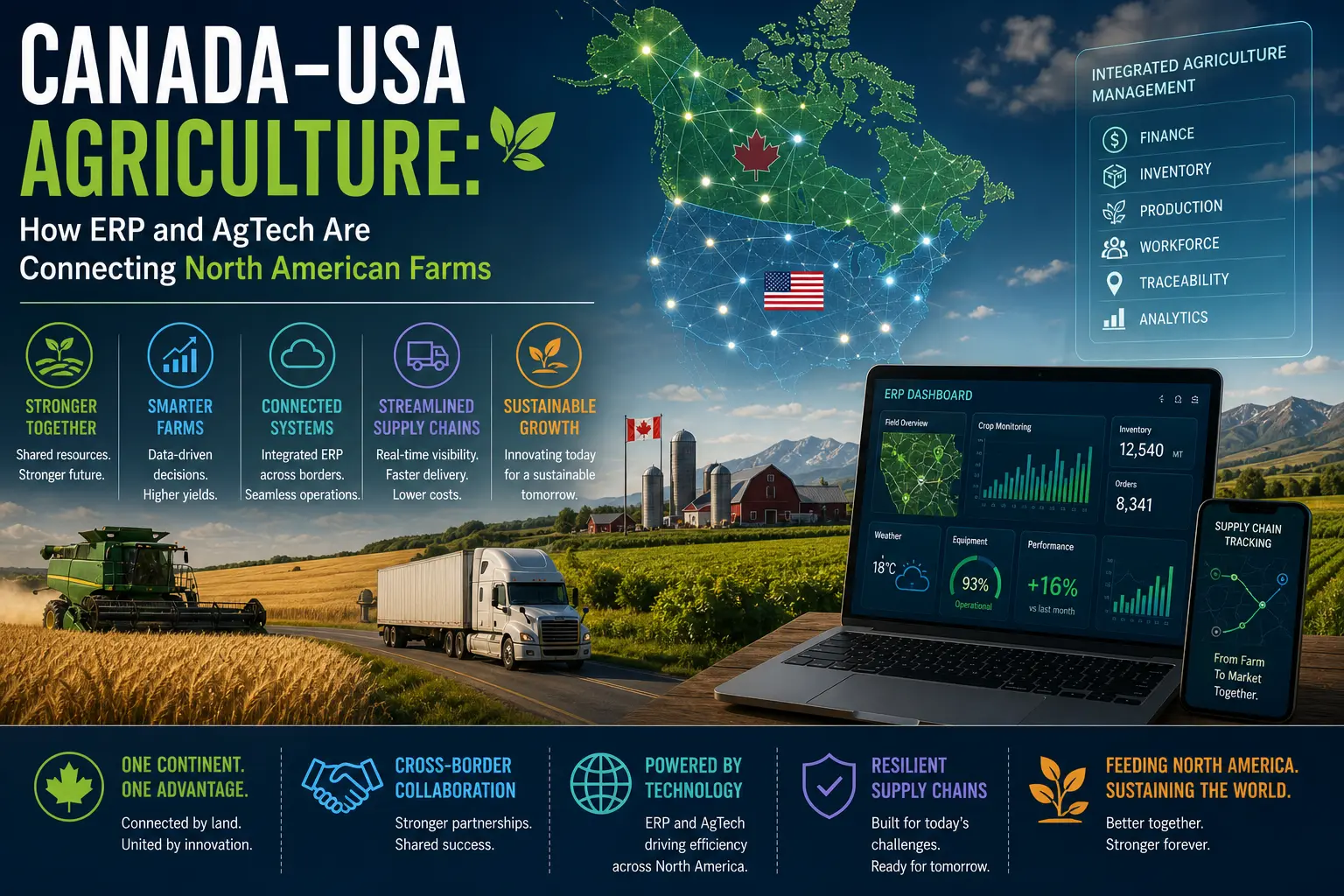
The Canada–United States agricultural relationship is one of the most consequential — and most technologically interdependent — food systems on the planet. The two countries share more than 8,800 kilometers of border, a deeply integrated grain and livestock trade exceeding USD 60 billion annually, and a continental supply chain that moves canola from Saskatchewan to […]
Inside the bilateral agricultural ecosystem — where avocados from Michoacán, berries from Jalisco, tomatoes from Sinaloa, and dozens of other high-value crops move daily across the border into U.S. markets, sustained by precision agriculture, integrated cold chains, and ERP architectures purpose-built for cross-border complexity. The USA-Mexico agricultural relationship represents one of the largest and most […]
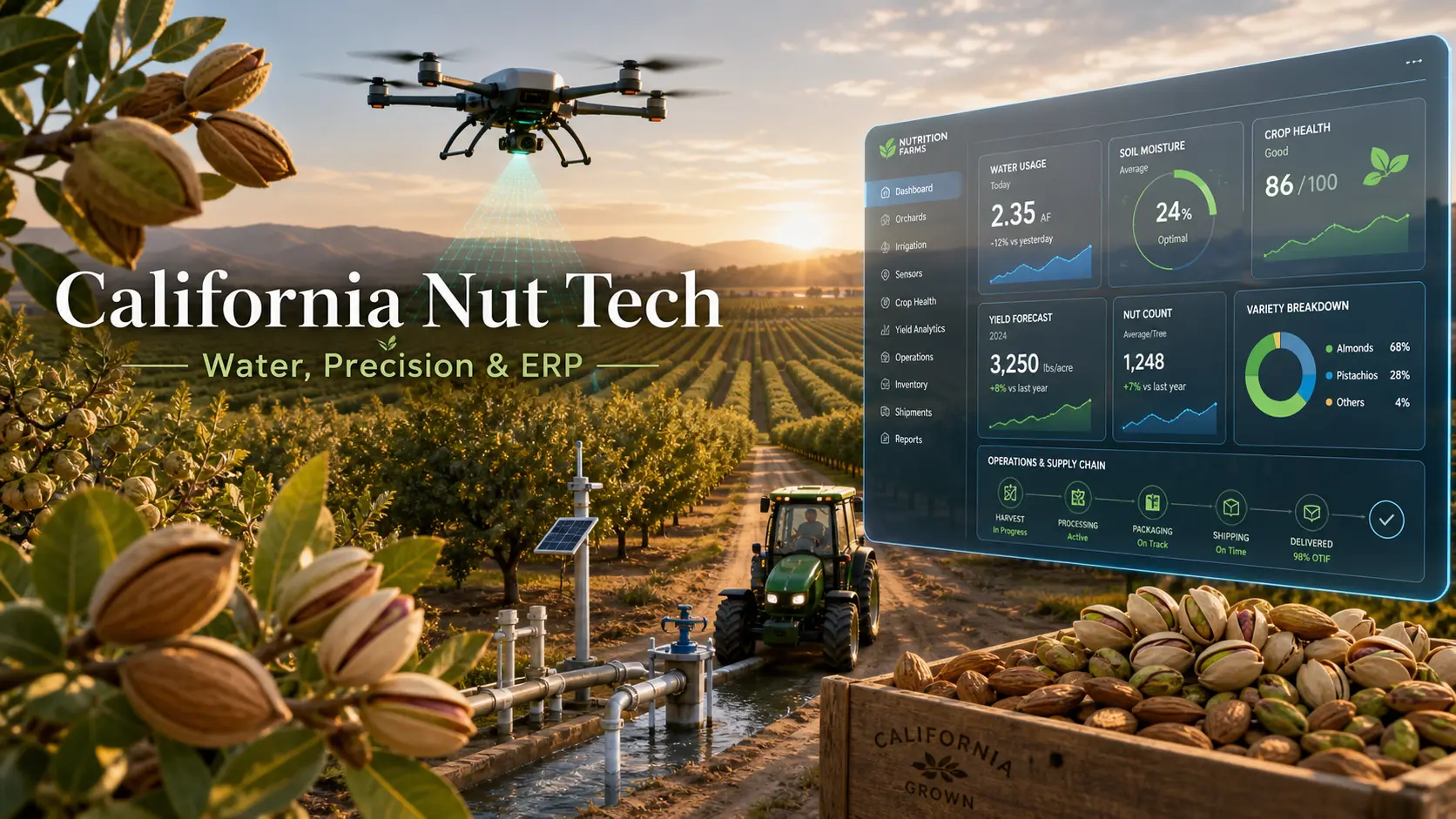
Inside California's $9 billion tree nut industry — where precision irrigation, pollination orchestration, processing integration, and global export traceability define one of the most operationally complex agricultural systems in the world.
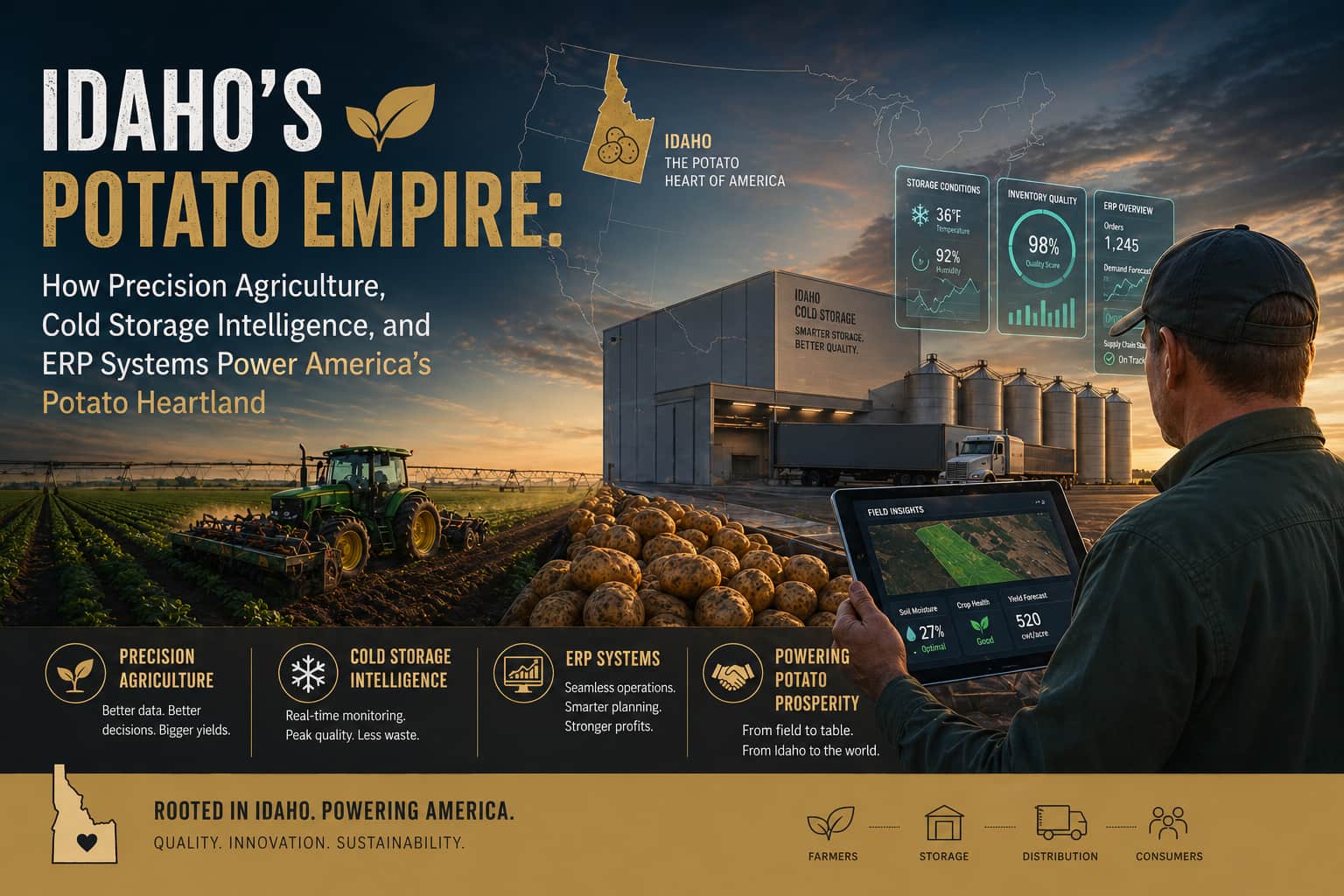
Inside Idaho's $1.5 billion potato industry — where variable-rate irrigation, AI-driven storage management, and integrated ERP platforms turn one of the world's most logistically complex crops into a competitive advantage.
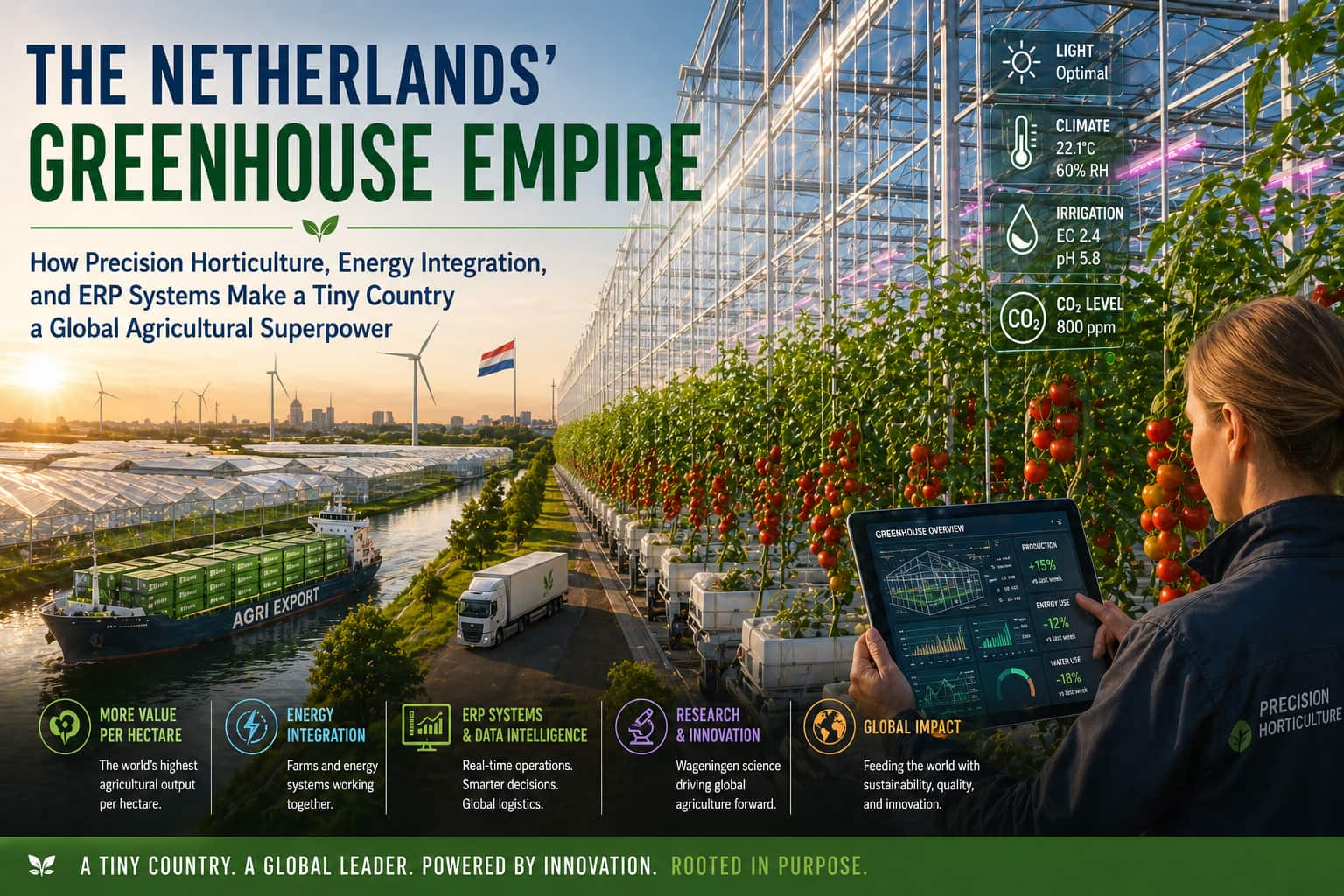
Inside the Dutch agricultural model — where 100,000 hectares of high-tech greenhouses, world-leading research at Wageningen, and integrated ERP platforms turn one of the world's smallest countries into the second-largest agricultural exporter on Earth.
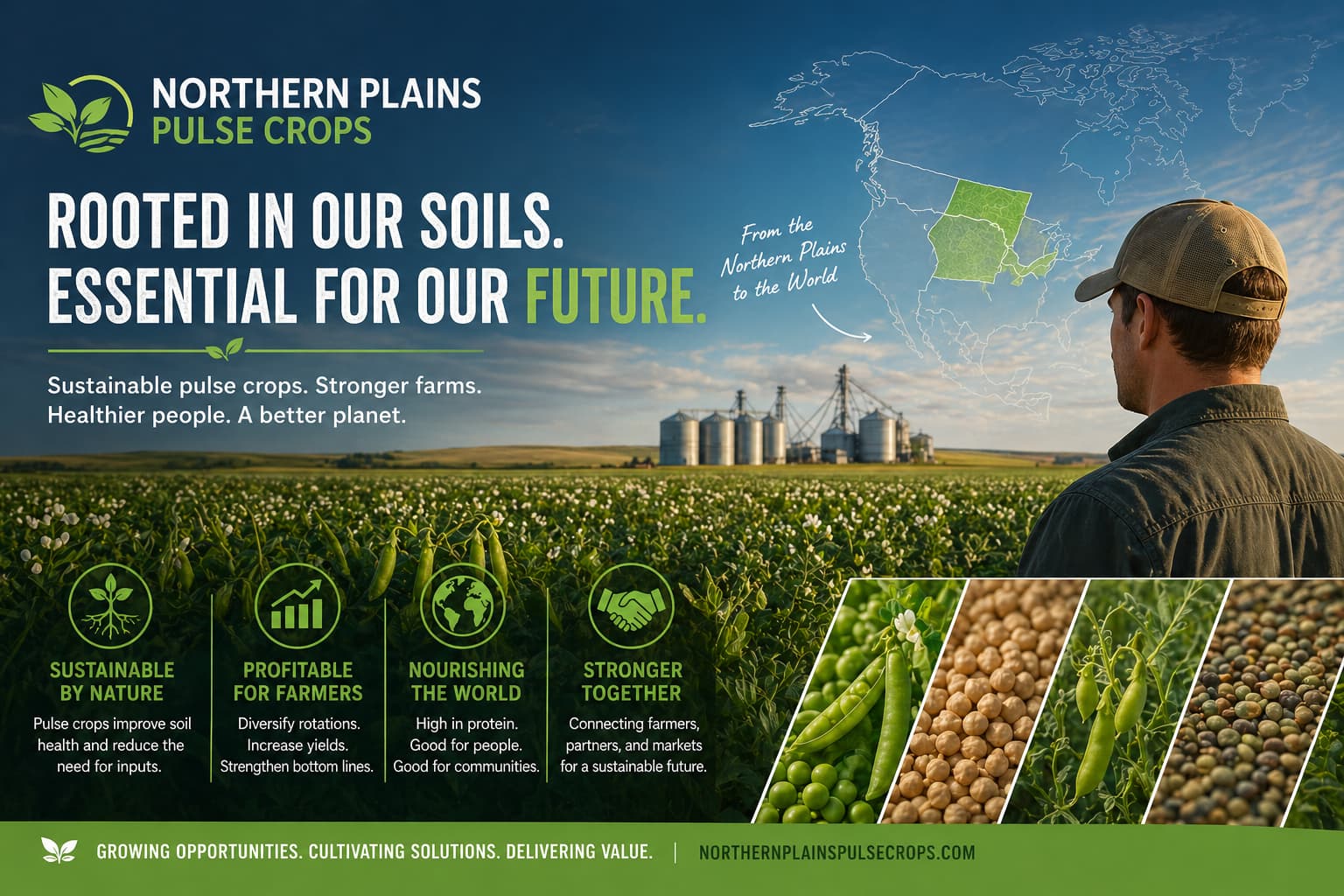
Discover how North Dakota and Montana farmers are using precision agriculture, IoT sensors, and integrated ERP platforms to dominate the global pulse crop market — from nitrogen-fixing rotations to export traceability.
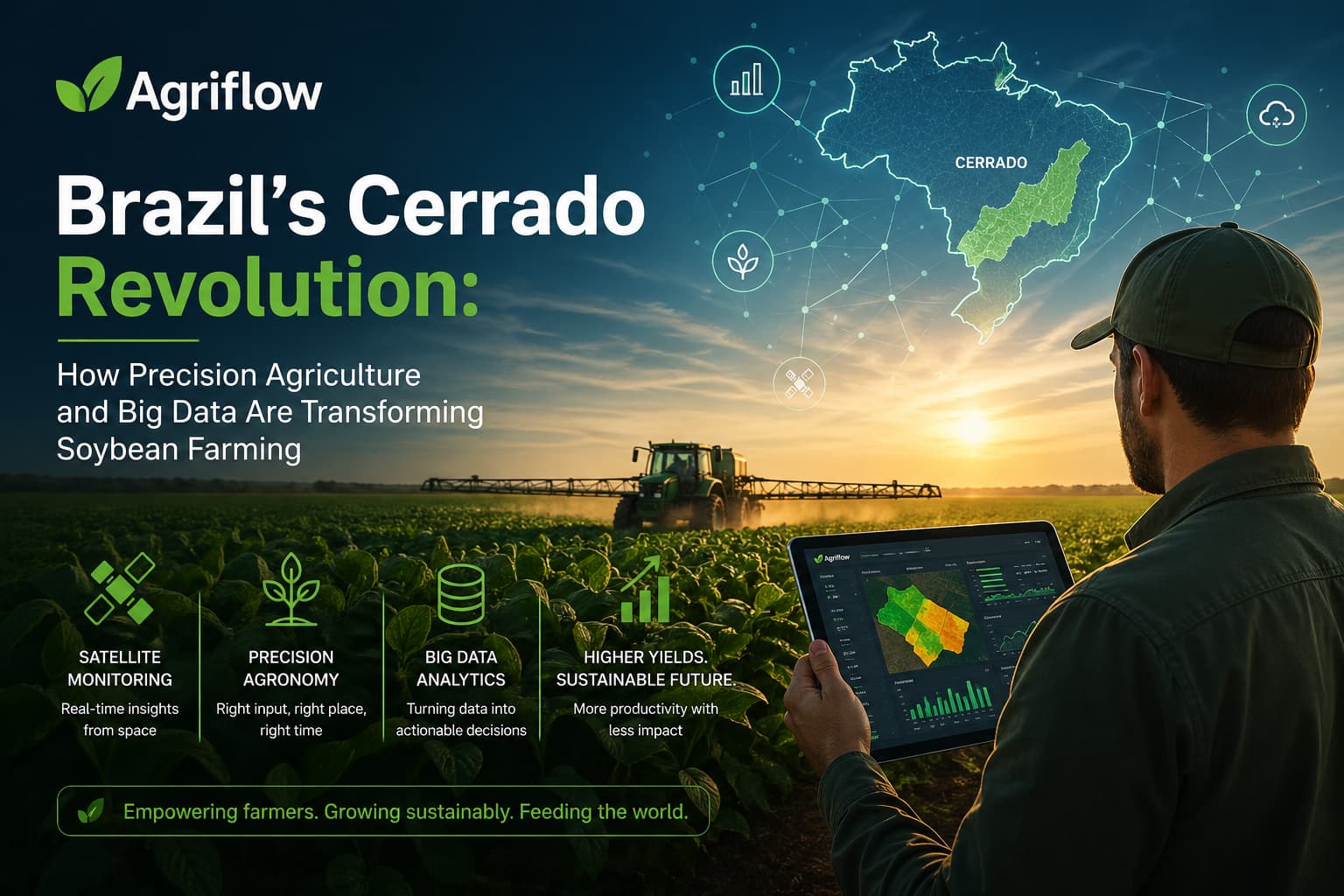
How precision agriculture, satellite data, and ERP systems transformed Brazil’s Cerrado into a global soybean powerhouse—driving yields, efficiency, and traceability across one of the world’s most advanced agribusiness frontiers.