Inside the bilateral agricultural ecosystem — where avocados from Michoacán, berries from Jalisco, tomatoes from Sinaloa, and dozens of other high-value crops move daily across the border into U.S. markets, sustained by precision agriculture, integrated cold chains, and ERP architectures purpose-built for cross-border complexity.
The USA-Mexico agricultural relationship represents one of the largest and most operationally integrated bilateral food trade flows on Earth. Annual two-way agricultural trade between the two countries exceeds $50 billion, with Mexico supplying the majority of fresh avocados, tomatoes, berries, peppers, cucumbers, and a long list of other high-value horticultural products consumed in U.S. markets. The flow is so consistent — measured in trucks per hour at the major border crossings of Nogales, Laredo, McAllen, and Otay Mesa — that it functions less as international trade and more as a continental supply chain.
What makes this corridor distinctive is not simply scale. It is the convergence of intensive precision horticulture, sophisticated cold chain infrastructure, dual-regulatory compliance regimes, and ERP architectures purpose-built to span border crossings, currency differences, and divergent market systems. This article examines how that operational system functions, why cross-border fresh produce demands a fundamentally different ERP architecture than domestic commodity supply chains, and where the corridor is heading as climate, water policy, labor dynamics, and trade conditions reshape the landscape.
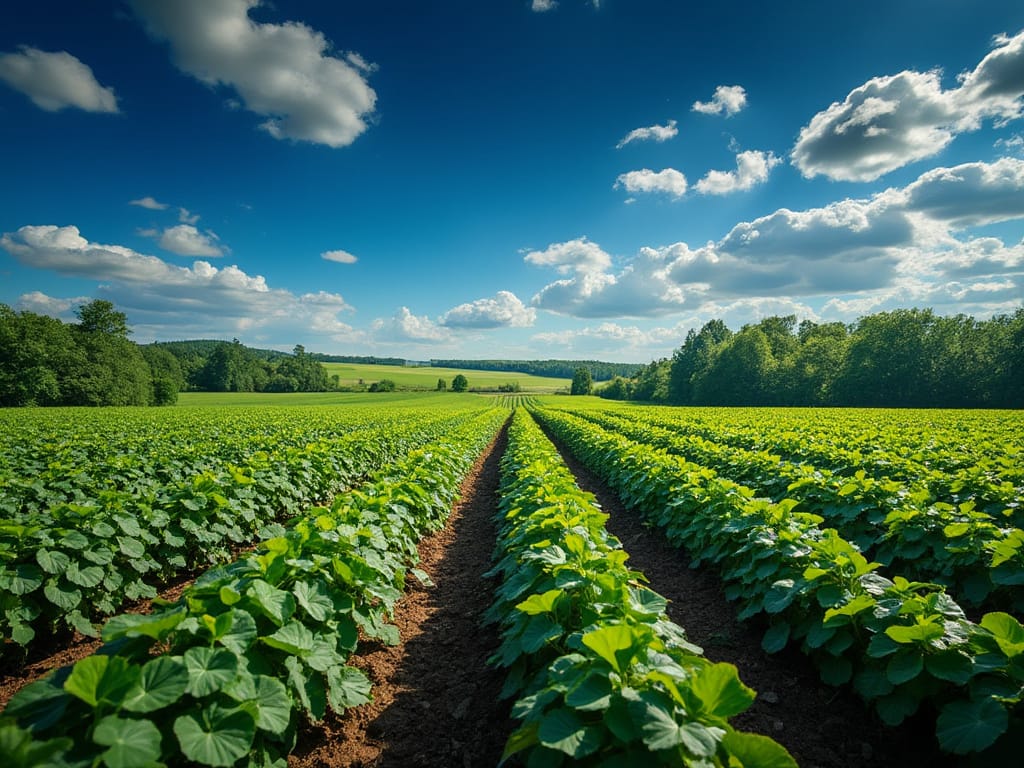
Mexican agricultural exports to the United States originate from production regions spread across the country, each specialized in particular crops and connected to specific border crossings.
Michoacán dominates global avocado production. The state's volcanic-origin soils, elevation profile (the most productive orchards lie between 1,500 and 2,500 meters), and climate combine to produce ideal conditions for Hass avocados. Michoacán was historically the only Mexican state authorized to export fresh avocados to the United States under USDA APHIS protocols, with Jalisco more recently joining the list of approved sourcing regions, opening new commercial dynamics.
Sinaloa anchors Mexico's winter tomato, pepper, and cucumber production, with extensive shade-house and high-tech greenhouse infrastructure spanning the coastal plain around Culiacán. The state is also a major producer of vegetables more broadly, and supplies the substantial majority of fresh tomatoes consumed in U.S. supermarkets between November and June.
Jalisco, Michoacán, and Baja California dominate berry production — particularly raspberries, blackberries, blueberries, and strawberries. Mexico has overtaken Chile and Spain as the leading berry supplier to the United States in many product categories, with operations heavily concentrated around protected agriculture infrastructure.
Guanajuato, Querétaro, and Sonora contribute meaningful volumes across multiple horticultural categories, often integrated with broader agribusiness portfolios that include both fresh exports and domestic processing.
Baja California specializes in cool-season vegetables and berries, with proximity to the Otay Mesa border crossing providing logistical advantages for products requiring rapid market access.
This geographic diversity contrasts with the more spatially concentrated agricultural systems we have documented elsewhere. The structural parallels with California's tree nut empire and the broader California farm ERP landscape are particularly relevant given that many Mexican production zones operate in geographic and climatic continuity with U.S. southwestern agricultural regions.
If any single commodity defines the modern USA-Mexico agricultural corridor, it is the avocado. Mexico produces approximately 30% of global avocados — more than any other country — and exports the substantial majority of that production to the United States. Hass avocados from Michoacán now appear in U.S. supermarkets with the same year-round availability as bananas, supported by an industry infrastructure that did not exist a generation ago.
The structure of the industry is distinctive. The Asociación de Productores y Empacadores Exportadores de Aguacate de México (APEAM) organizes producer participation in the U.S. export program, working in coordination with USDA APHIS to maintain phytosanitary protocols, traceability standards, and orchard certification requirements. Approved orchards must meet documented pest management, surveillance, and harvest protocols; approved packing facilities must operate under specified sanitation, traceability, and inspection standards; and every export shipment moves under documentation that links specific fruit to specific orchards and packing dates.
The ERP implications are substantial. A modern avocado export operation must natively handle:
The volume is remarkable. During peak periods, hundreds of refrigerated trucks per day cross the U.S. border carrying Mexican avocados, with trip times from Michoacán packing houses to U.S. distribution centers measured in days rather than weeks. The orchestration challenges resemble in some respects those documented in our coverage of Midwest agricultural logistics, though with the additional complexity of international border crossings and dual regulatory regimes.
The Mexican berry industry has emerged over the past two decades as one of the most dynamic agricultural sectors in North America. Driven primarily by U.S. demand for year-round fresh berry availability, Mexican production now anchors winter and spring supply for raspberries, blackberries, and blueberries, with strawberry production also substantial.
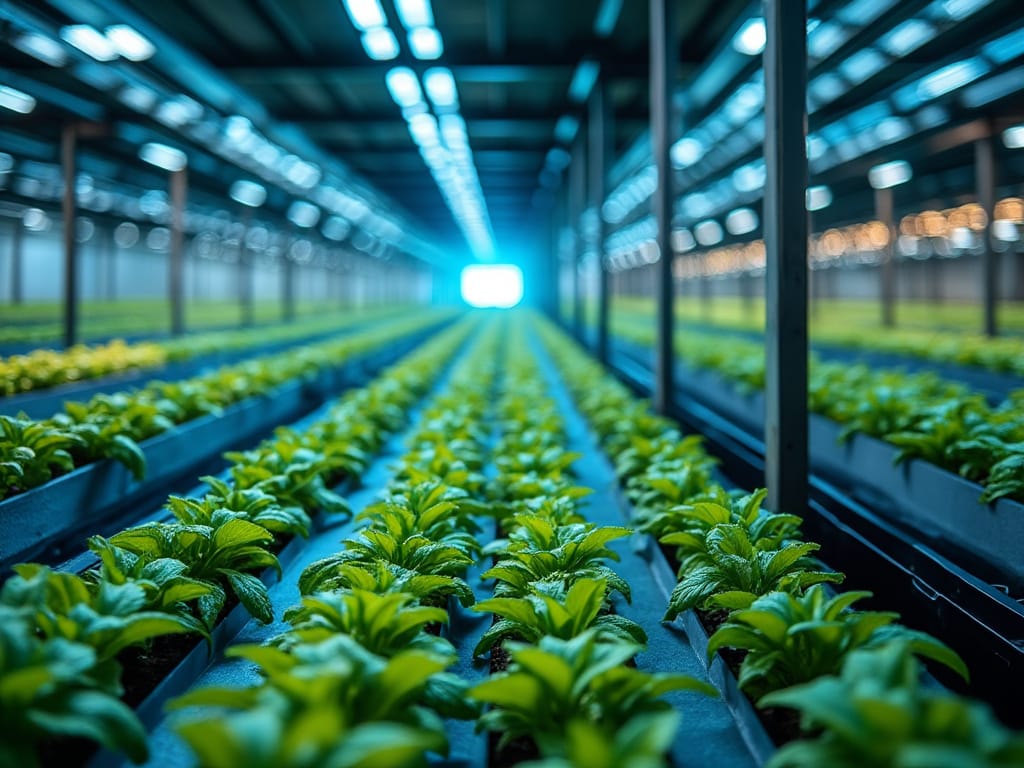
The defining feature of modern Mexican berry production is protected agriculture infrastructure. Macrotunnels — high tunnel structures covering large blocks of berry plantings — have become the dominant production system in Jalisco and Michoacán. These structures provide protection from rainfall during fruit development, extend the productive season, and create environmental conditions that improve fruit quality and shelf life. The investment intensity per hectare is substantial, with capital costs that would be familiar to operators of the high-technology systems we have explored in our coverage of the Netherlands' greenhouse industry and vertical farming in the UAE, though deployed in less fully climate-controlled forms.
Within the protected environment, modern Mexican berry operations deploy precision agriculture techniques that rival any specialty production system globally:
A few large companies dominate the export trade — Driscoll's, headquartered in California but with extensive Mexican production partnerships, is the largest, with Berryworld, SunBelle, and a range of other operators occupying significant positions. The structure tends toward integrated grower-shipper relationships in which technology, genetics, and market access are bundled with production agreements, creating ERP integration demands that span legal entities and geographic boundaries.
Berry exports are particularly time-sensitive. Fresh raspberries and blackberries are typically harvested in the morning, packed by mid-day, cooled within hours, and on trucks crossing the border within 24 to 48 hours of picking. Any breakdown in cold chain integrity or documentation compounds rapidly through the supply chain. ERP infrastructure that synchronizes harvest forecasts, packing schedules, cold storage capacity, and truck dispatching in real time has become operational infrastructure rather than productivity enhancement.
Mexico is the world's leading exporter of fresh tomatoes, with the substantial majority of that volume destined for U.S. retail and food service markets. The transformation of Mexican tomato production over the past two decades has been substantial: from open-field operations producing primarily during winter months to a mix of high-tech greenhouses, shade-houses, and field operations producing across an increasingly extended season.
The center of the industry remains Sinaloa, with major commercial operations also in Jalisco, Querétaro, Baja California, and San Luis Potosí. Modern Mexican tomato operations span the full range from large-scale field production to glass-roofed climate-controlled greenhouses approaching Dutch sophistication levels, with shade-houses and macrotunnels occupying the substantial middle ground.
The ERP requirements scale with technological intensity. High-tech greenhouse operations face requirements similar to those examined in our coverage of the Netherlands' greenhouse industry, including:
Beyond tomatoes, Mexican exports of bell peppers, cucumbers, squash, and a range of other vegetables operate on similar logistical and regulatory infrastructure. The cross-border supply chain handles tens of thousands of refrigerated trucks per year, with peak-season flows that strain border crossing capacity at Nogales and Otay Mesa.
The defining technical feature of the USA-Mexico agricultural corridor — and arguably its most operationally important — is the integrated cold chain. Fresh produce moves from Mexican fields and packing houses through pre-cooling facilities, refrigerated transport, border crossings, U.S. inspection, secondary distribution centers, and ultimately retail outlets, with temperature management requirements that vary by commodity but never permit interruption.
Avocados require specific temperature ranges that balance ripening control with quality preservation. Berries demand near-freezing temperatures with minimal humidity variation. Tomatoes require warmer storage to prevent chilling injury. Each commodity carries its own protocol; modern cold chains accommodate all of them through controlled atmosphere storage, mixed-temperature trailers, and sophisticated routing.
The technology stack supporting the cold chain has matured substantially:
ERP systems for cross-border produce operations must natively integrate with this telemetry infrastructure. The data flows must be unbroken from packing house through U.S. delivery, and exceptions — temperature excursions, route deviations, delivery delays — must trigger documented responses. The principles examined in our coverage of IoT in American farming extend in particular force into the produce cold chain, where the consequences of monitoring failure are immediate and commercially significant.
Cross-border agriculture operates under a more complex regulatory landscape than purely domestic operations.
On the U.S. side, USDA APHIS governs phytosanitary protocols controlling pest entry, with detailed orchard, packing facility, and shipment requirements that vary by commodity and origin. FDA Food Safety Modernization Act (FSMA) rules — particularly the Produce Safety Rule and the Foreign Supplier Verification Program — impose food safety documentation requirements that fall on U.S. importers but practically extend to Mexican producers and packers. EPA pesticide tolerances define maximum residue levels that govern what crop protection products can be used in production destined for U.S. markets.
On the Mexican side, SADER (Secretaría de Agricultura y Desarrollo Rural) and its sanitary arm SENASICA govern domestic agricultural production and export protocols, with technical norms (NOMs) that cover everything from pesticide use to packing facility hygiene. Tax authorities (SAT) impose documentation requirements that interact with international trade.
Voluntary certification adds another layer. PrimusGFS, GlobalG.A.P., and Safe Quality Food (SQF) certifications are commercially required by major U.S. retail buyers, with audit requirements that demand integrated documentation. Sustainability certifications — including organic (USDA Organic, Mexican Organic), Fair Trade, and Equitable Food Initiative — add further layers for participating operations.
ERP systems for cross-border operations must natively model this regulatory complexity. Compliance documentation must flow directly from operational data, not be reconstructed retroactively. The audit trail must be continuous from field operations through final delivery. Operators without integrated documentation face genuine commercial risk; recalls, border rejections, and retail buyer disqualifications carry substantial costs.
The principles of blockchain-enabled and digital traceability infrastructure have particular salience in this context, with cross-border produce serving as one of the higher-value applications of these technologies.
A cross-border produce ERP must natively handle several dimensions that purely domestic platforms typically do not.
Multi-currency, multi-tax architecture. Operations span Mexican peso and U.S. dollar accounting simultaneously, with continuous exchange rate management, value-added tax (IVA) handling on the Mexican side, and U.S. tax compliance on the import side. The complexity resembles in some respects what we documented in our analysis of the Argentine Pampas agribusiness landscape, though with different specific currency dynamics.
Multi-language operations. Spanish-primary field and packing operations must integrate with English-primary U.S. customer-facing functions, with bilingual capability extending across reports, documentation, and user interfaces.
Cross-border traceability. Lot-level identity must persist from Mexican orchard through U.S. delivery, surviving multiple legal entity changes, customs processes, and commercial transactions.
Customs and border integration. Electronic data interchange with customs brokers, U.S. CBP and FDA pre-arrival systems, and Mexican export documentation systems is operational rather than optional.
Cold chain telemetry integration. Temperature data from refrigerated trailers, cooling facilities, and storage installations must integrate directly into compliance and quality records.
Multi-buyer, multi-channel commercial complexity. Mexican exporters typically sell to a mix of U.S. retail customers, food service distributors, wholesale terminal markets, and increasingly direct-to-retail programs, each with distinct documentation, packaging, and pricing requirements.
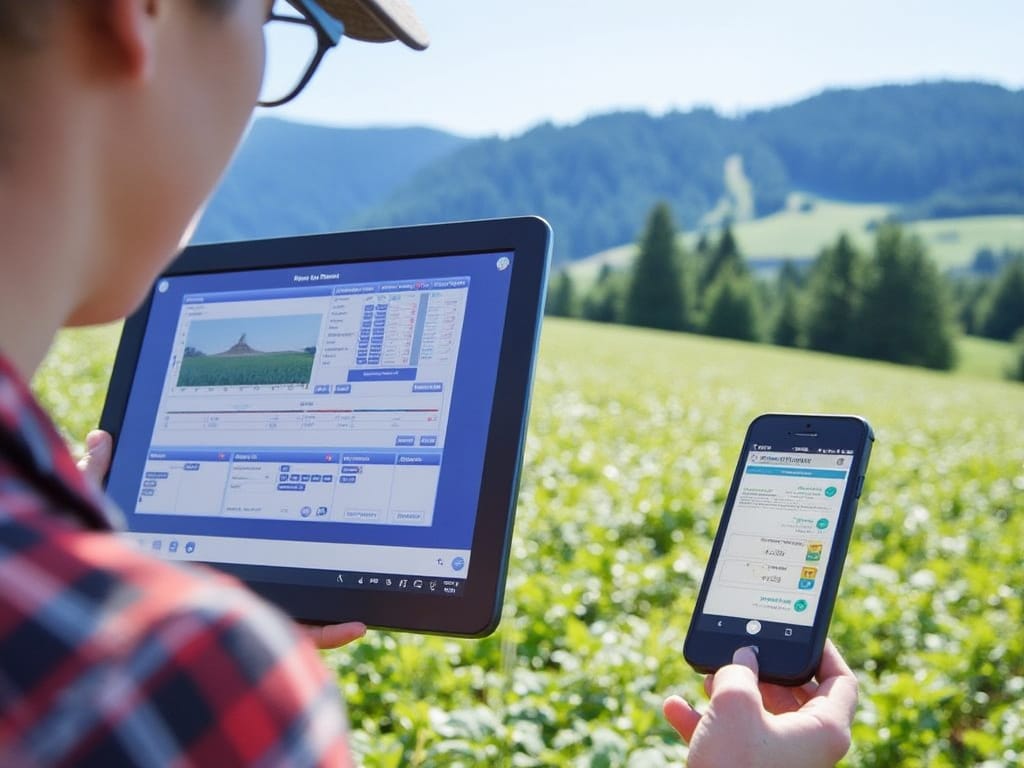
Mobile-first field operations. Harvest crews, packing line supervisors, and quality controllers all rely on real-time mobile access, applying the principles we have explored in our coverage of mobile applications connecting farmers to ERP systems — with the additional requirement of cross-border data synchronization.
These requirements make cross-border produce ERP one of the most demanding implementations in modern agricultural operations. Generic platforms — even strong ones designed for domestic specialty crop operations — typically struggle to model the bilingual, bi-regulatory, dual-currency dimensions natively.
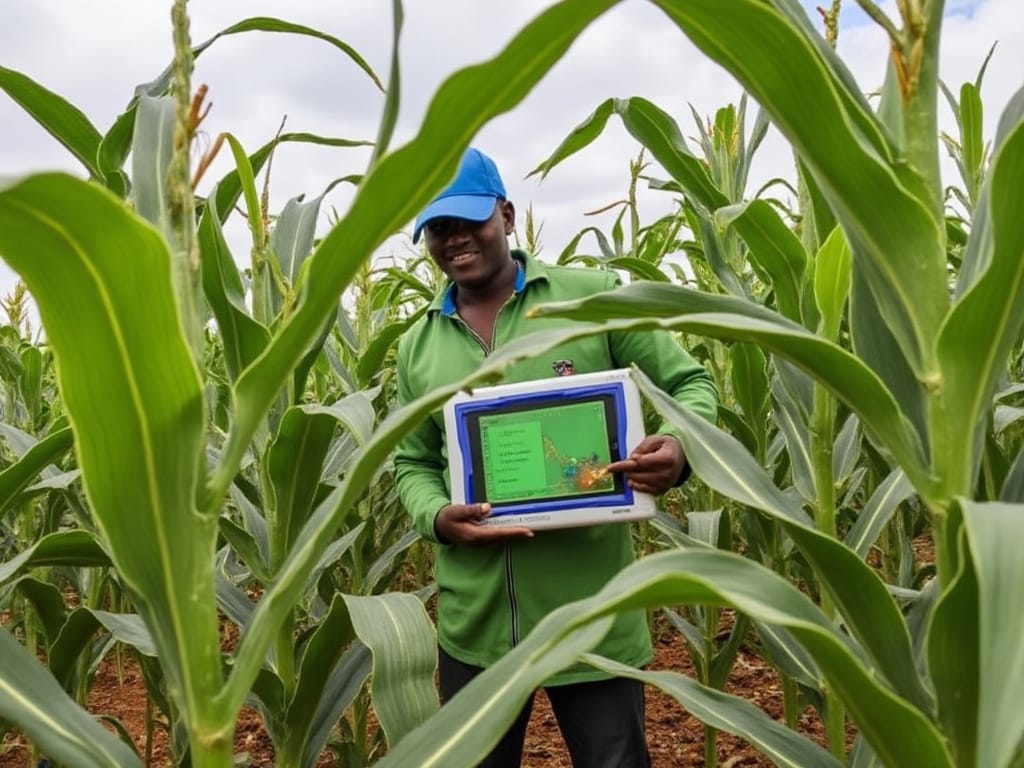
Mexican production zones have invested heavily in precision agriculture, with adoption rates in commercial-scale operations rivaling those of U.S. or European specialty production.
Soil moisture probes, plant water status sensors, and EC monitoring are standard equipment in protected agriculture and increasingly common in field operations. Networks generate continuous data feeds that drive irrigation scheduling and fertigation decisions on minute-to-minute timescales.
NDVI, NDRE, and increasingly thermal imagery inform mid-season management decisions across orchard, berry, and field operations. Drone deployment for crop scouting, application, and even mapping has expanded substantially, with operational principles paralleling those examined in our coverage of drone-based irrigation and crop protection.
Tomato and bell pepper greenhouses depend on managed bumble bee populations for pollination, with hive deployment and management now sophisticated commercial operations. Integrated pest management programs — heavily reliant on biological control agents, pheromone disruption, and selective chemistry — have become standard practice in operations supplying U.S. retail buyers.
Yield prediction models, harvest scheduling algorithms, and quality grading systems based on computer vision are deployed across leading operations. The role of artificial intelligence and machine learning in agricultural management is particularly visible in large-scale Mexican berry and tomato operations, where data volumes from packing line vision systems alone justify substantial AI investment.
Mexican agricultural production faces significant water and climate constraints that have intensified over the past decade. Recurring droughts in northern and central states, depleted aquifers in key production zones, and increasingly variable rainfall patterns shape operational planning across the export horticultural sector.
The responses parallel those documented in our analysis of water management strategies for drought-resilient cropping, with several Mexico-specific dynamics:
The avocado industry has faced particular scrutiny over its water footprint, with documented impacts on local supplies in some Michoacán municipalities. Industry organizations and major exporters have responded with investments in water efficiency, watershed management, and verifiable sustainability programs. The climate-smart agriculture frameworks we have examined in other contexts apply directly here, with sustainability documentation increasingly serving as a commercial differentiator with U.S. retail buyers.
Carbon dimensions are also gaining traction. Emerging programs link verifiable management practices to potential revenue streams, building on infrastructure of the kind explored in our coverage of carbon credit programs in agriculture.
Cross-border agriculture operates under labor dynamics that are structurally different from purely domestic production. Mexican production zones rely on internal migration of workers from southern states (Oaxaca, Chiapas, Guerrero) to commercial production regions, with complex housing, transportation, and labor compliance requirements. U.S. reception infrastructure increasingly relies on H-2A visa labor programs, with documentation requirements that flow back into Mexican recruitment and worker management.
Worker welfare programs — including the Equitable Food Initiative and similar third-party verified standards — have become commercial requirements with major U.S. retail buyers. Documentation must flow directly from operational data, with bilingual interfaces, biometric attendance tracking, and integrated payroll-to-compliance systems. ERP infrastructure increasingly serves as the audit trail for labor practices alongside its other documentation functions.
The USA-Mexico agricultural corridor offers instructive contrasts with other production systems covered on AgriFlow ERP.
Compared with the Brazilian Cerrado expansion documented in our coverage of agtech innovations transforming modern farms, the corridor model emphasizes high-value horticulture and integrated logistics rather than commodity-grade frontier expansion. The two systems represent different but equally important models of modern agricultural development.
Compared with U.S. specialty crop regions such as the Florida citrus ERP landscape, the corridor faces qualitatively different challenges around cross-border logistics, dual regulatory compliance, and currency management, while sharing many agronomic and food safety dimensions.
Compared with emerging-market export agriculture such as that documented in our coverage of Kenya's climate-resilient farming, Ghana's cocoa value chain, and Mozambique's Hoyo case study, the corridor operates at substantially greater scale, longer commercial maturation, and tighter integration with consumer markets, but shares many underlying principles around traceability, certification, and export-driven quality discipline.
For practitioners and analysts seeking authoritative reference data, the USDA Foreign Agricultural Service maintains extensive trade and production data on cross-border agricultural flows, while bilateral statistical resources include the SIAP (Servicio de Información Agroalimentaria y Pesquera) of Mexico's federal agricultural ministry.
Several trends will shape the corridor's next decade.
For agribusinesses operating in or evaluating exposure to the USA-Mexico corridor, several principles consistently distinguish successful technology deployments from underperforming ones.
These principles apply broadly to international supply chain operations, but their cumulative weight in the USA-Mexico corridor — driven by daily border-crossing volumes, dual regulatory regimes, and high-value perishable commodities — makes their disciplined application unusually consequential.
The USA-Mexico agricultural corridor is one of the world's most operationally sophisticated international supply chains. The combination of Mexican production capability, U.S. consumer demand, integrated cold chain infrastructure, and decades of regulatory and commercial maturation has produced a system that delivers fresh produce across thousands of miles with reliability measured in hours rather than days.
What ties the system together is integrated data infrastructure. Orchard certification documentation flows into export shipment records. Cold chain telemetry flows into food safety compliance. Harvest forecasts flow into truck dispatching. Currency-translated cost accounting flows into commercial pricing decisions. ERP architecture is the mechanism through which this integration becomes operationally tractable — the substrate that allows decisions made in Michoacán avocado orchards, Sinaloa greenhouses, Jalisco berry tunnels, and U.S. retail distribution centers to inform one another in real time across language, currency, and regulatory boundaries.
For agribusinesses elsewhere, the corridor offers more than a regional reference. It demonstrates how high-value perishable supply chains can span international borders at scale, sustained by precision agriculture in production, integrated logistics in transit, and ERP architectures designed for cross-border complexity. The technologies and approaches refined in the USA-Mexico corridor increasingly define what continental-scale fresh produce trade looks like — and serve as templates for emerging corridors connecting other producing regions to wealthy consumer markets.
The corridor is not the largest agricultural region by acreage, nor the most diverse by crop. But by the operational integration it sustains across two countries, two currencies, two regulatory regimes, and millions of consumers, it stands as one of the most consequential agricultural systems on Earth.
For continued analysis of how technology is transforming agricultural supply chains globally, explore our coverage of California's tree nut empire, Idaho's potato industry, and Argentina's Pampas agribusiness landscape — each representing distinct regional models within an increasingly interconnected global agricultural economy.

Find Agriflow in other countries of Africa